
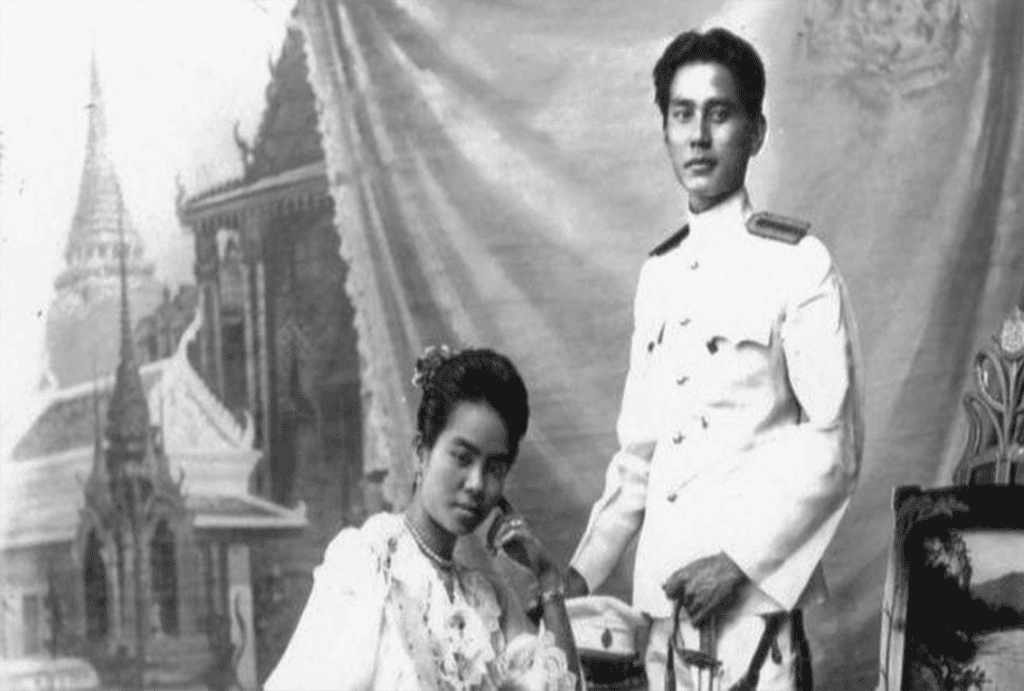
The Love Legend of Ma Mya and Chao Noi Sukhakasem: Real History or Historical Fiction? Many of you may have heard the Northern Thai folk song titled “Ma Mya.”
Song Lyrics Excerpt
“It happened eighty years ago. Chao Noi Sukhakasem was fifteen years old. His father sent him to study far away in Mawlamyine, and thus began their fateful, tragic tale. Ma Mya was a young street vendor, a Burmese girl from Mawlamyine. Radiant as the shining moon, many men vied for her heart. Ma Mya loved no one else; she gave her heart to the young prince, the son of the Viceroy of Chiang Mai. When the prince completed his studies, he had to part from Ma Mya. Feeling as though a knife chopped and a sword slashed through their hearts, she disguised herself as a man to follow him. The prince was of royal blood, but his beloved was Burmese. Violating long-held traditions, they were forced to part ways. Oh, on that day, the day she had to be sent back home, the prince arranged an elephant procession to send her back through tears. Ma Mya was heartbroken, filled with bitter sorrow. She bowed down in farewell, untied her hair to wipe his feet, bidding farewell for this lifetime. The prince died of a broken heart; Ma Mya ordained as a nun. Such is the nature of love…” (Lyrics by Jaran Manopetch)
The lyrics serve as a vivid summary of the narrative. Below is the story as documented in historical records:
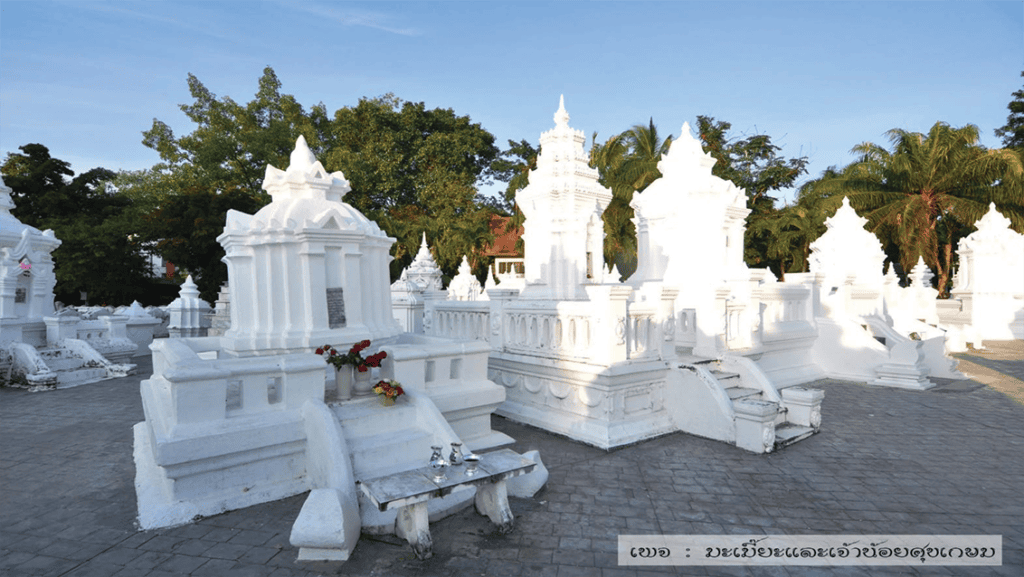
Historical Account Lieutenant Chao Uttarakan Koson (Sukhakasem Na Chiangmai)—originally known as Chao Noi Sukhakasem—was the eldest son of Chao Kaew Nawarat and Chao Chamariwong of the Thipphayachak Dynasty. Born in 1880, he was sent at age 15 to study at St. Patrick’s School in Mawlamyine, Myanmar. In 1902, he fell in love with a young Burmese vendor, and they lived together as husband and wife. When news reached the Chiang Mai royal court, he was recalled in 1903. Ma Mya disguised herself as a man to join his caravan, keeping her identity hidden with the help of trusted aides. Eventually, the truth was exposed. The court forced a complete separation, deporting Ma Mya back to Myanmar due to their vast difference in social status and the expectation that Chao Noi Sukhakasem would become the next ruler of Chiang Mai. He was subsequently forced to marry Chao Bua Chum Na Chiangmai against his will. Devastated by the separation, Chao Noi Sukhakasem fell into severe alcoholism and passed away from chronic alcoholism on March 20, 1914, at the age of 33.
Historical Analysis
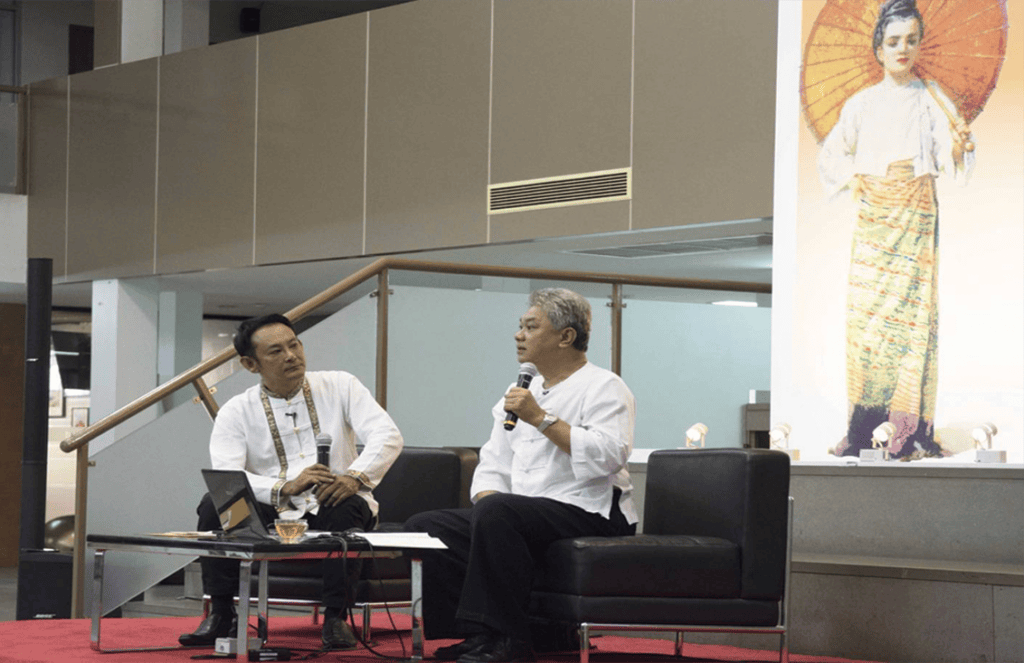
Questions remain regarding whether Ma Mya was a real person or a fictional character. This topic was explored during a panel hosted by the Art & Culture Club titled “Behind the Love Story of Ma Mya” on August 22, 2019, at the Matichon Academy Hall. Several contradictions were raised:
• Lack of Local Evidence in Myanmar:
Researchers who traveled to Mawlamyine found no records or memory of Ma Mya—not among elderly locals who lived through that era, nor among local cigarette vendors who shared her alleged trade.
• Royal Oral Accounts:
In an interview, Chao Duangduen Na Chiangmai recalled stories from Chao Kaew Nawarat: “He was sent to study, but didn’t study—he fell for a girl instead. If they had children, what would we do? He was supposed to succeed the throne. So he was ordered to return. But he brought back two people; the one disguised as a man was named Ma Mya. They were told they couldn’t stay together and she was sent back.
• Dismissal of Political Motives: Claims that the separation was politically motivated because Ma Mya was a British subject were dismissed by scholars, as other Chiang Mai royals had married Burmese subjects without incident.
• Silence in Personal & Foreign Records:
Daughters of U Po Doong, a wealthy Burmese timber merchant and close friend of Chao Kaew Nawarat, had never heard of Ma Mya. Additionally, no foreign records from the era mention the incident. Because of these inconsistencies, historians continue to debate whether Ma Mya’s story is genuine history or historical fiction.
References •
Silpa-Watthanatham (Art & Culture) Magazine, published online August 22, 2019. • Chao Noi Sukhakasem and Nang Ma Mya (archived from original 2011-03-01, retrieved 2021-08-10). • Ma Mya: An Old Story Revisited by Somrit Luechai, Silpa-Watthanatham, 2012 edition (December 20, 2016). • Wikipedia.