By Gloria Jones
It seemed impossible to live this close to Vietnam and not visit. So with Da Nang just 1 hour and 40 minutes from Bangkok’s Don Mueang International Airport, it was time to explore and report back. If you missed our earlier articles about this fascinating country you can still read them at pattayatrader.com. This month our final article is about our visit to Hoi An. One of Vietnam’s most charming destinations it has been recognized by UNESCO as a World Heritage Site because of its historical and cultural importance.
 This is because the history of Hoi An stretches back more than 2,000 years when the town flourished as an international trading centre. Due to its location on Vietnam’s central coast near Da Nang, Hoi An was once one of Southeast Asia’s busiest trading ports. Merchants from China, Japan, India, and Europe would exchange goods such as silk, ceramics, spices, and tea and because of this Hoi An developed a unique architectural style. Many of the old wooden houses and merchants residences combine local traditions with foreign influences and still remain remarkably well preserved today. When you walk through the narrow streets it really gives you a feeling of stepping back in time.
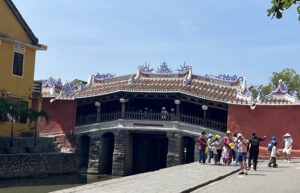
Nowhere is this more true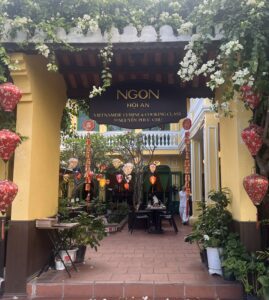 than when you visit the area’s most iconic landmark: the Japanese Covered Bridge. Built in the late 16th century by the Japanese community living in Hoi An, the bridge symbolizes a historical connection between Japanese merchants and local residents. Its elegant design, wooden structure, and small temple make it one of the most photographed attractions in Vietnam. The day we visited it there were visitors from all over the world stopping to take pictures – especially the many Chinese tourists.
In fact tourism has become essential to Hoi An’s economy, bringing both opportunities and challenges. Tourism creates jobs and encourages preservation of historical buildings but Hoi An has also to deal with overcrowding and environmental concerns. Local authorities and conservation groups continue to work on protecting the ancient town from pollution, commercialization and most seriously flooding. For the lantern-lit streets, preserved architecture, riverside atmosphere, and rich cultural heritage make it an important stop for travellers from all around the world who come to experience its blend of Vietnamese, Chinese, Japanese, and European influences.
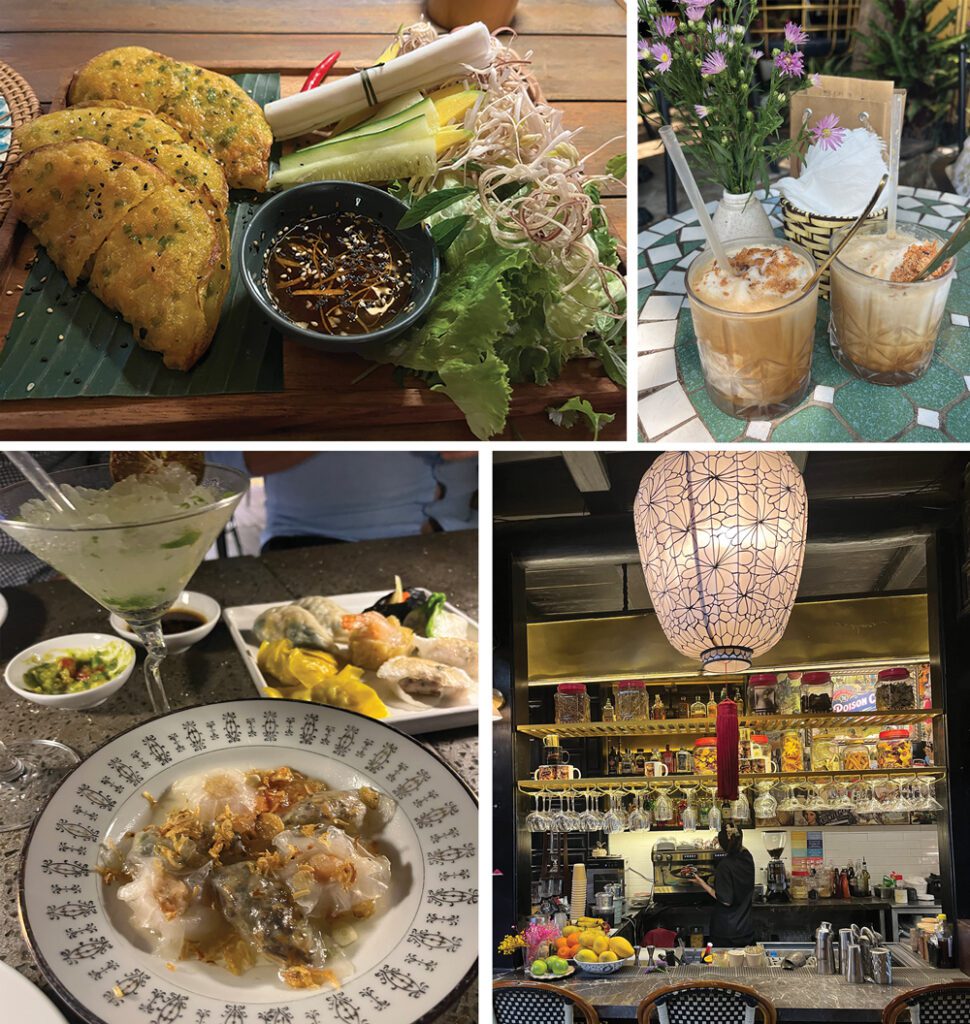
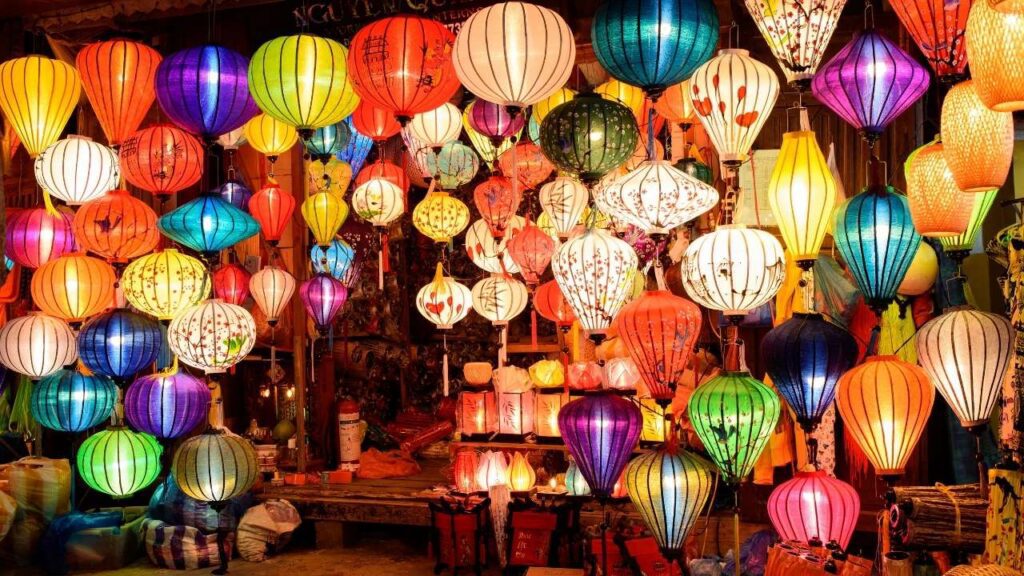
The shopping is also great here as local workshops produce lanterns, pottery, wood carvings, and silk using techniques passed down through generations. Also the town is famous for tailoring, and you can order custom-made clothing from local tailor shops. Dresses, shirts, suits, even shoes are ready within just a few days and support local families and businesses. As do the many pretty cafes and restaurants as food is another major reason why travellers love Hoi An. It is considered one of Vietnam’s culinary capitals offering a wide range of traditional dishes. For me the standout local specialty was the white rose dumplings. Delicate hand made rice-paper dumplings are usually filled with shrimp or pork and become translucent when cooked. Another favourite was of course Vietnamese coffee. We loved all varieties: Salt, Egg and Coconut and got our fill in Hoi An knowing that it would be one of the things we would really miss when leaving Vietnam.
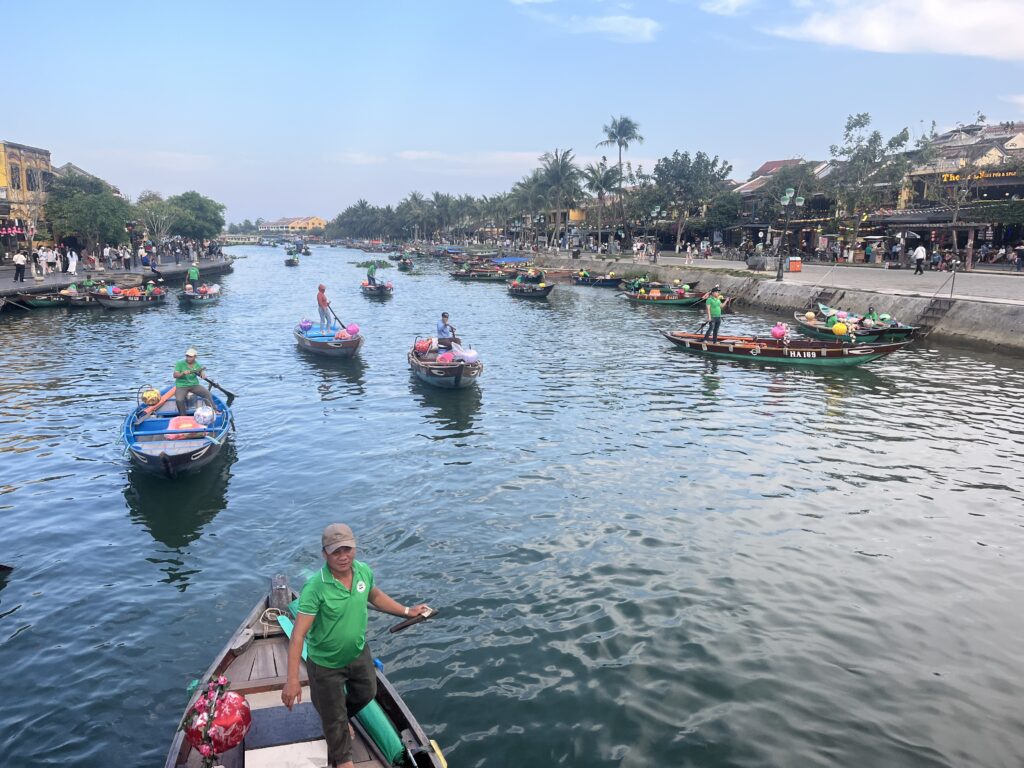
Certainly the last stop on our tour of Vietnam was a definite highlight. Hoi An is beautiful both day and night with small boats rather like Vietnamese Gondoliers ferrying tourists along the Thu Bon River. Magical to look at when the sun sets and the hundreds of colourful lanterns illuminate the boats and riverside streets. It is impossible to visit Hoi An without falling in love with these richly painted lanterns, which are a symbol of the city and represent luck, happiness, and prosperity. Check your dates when visiting as every month on the 14th day of the lunar month when the full moon peaks there is a Hoi An Lantern Festival. Electric lights in the Ancient Town are dimmed or turned off and the streets and glow with thousands of colourful handcrafted lanterns. You can also participate by releasing small, candle-lit paper flowers onto the river while making a wish.
My wish when leaving this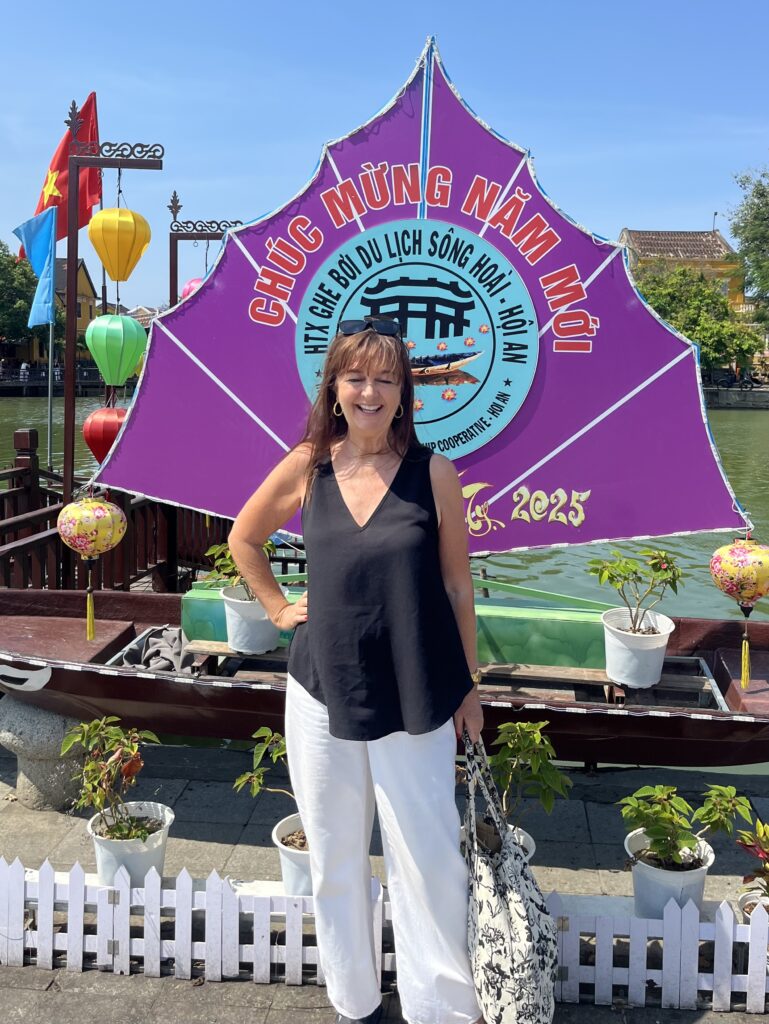 charming place was to return again to Vietnam – perhaps next time to explore Ho Chi Minh, the Mekong Delta and the beautiful island of Phu Quoc. This country with its friendly people, rich cultural heritage and fascinating diversity of destinations really made an impression and I can certainly say there is much about Vietnam that makes it a great place to visit.