
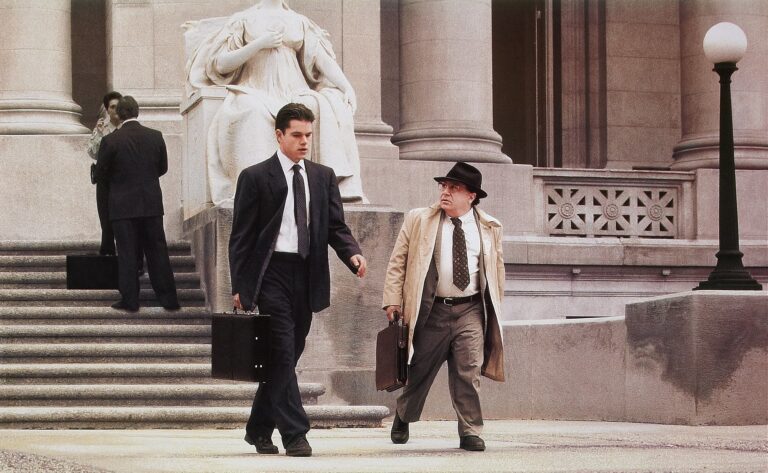
As someone crazy about movies and obsessed with politics, how on earth did I connect a film to politics and economic crimes?
The Rainmaker is a 1997 film adapted from John Grisham’s famous novel, directed by Francis Ford Coppola. It is the story of a young, idealistic lawyer who helps a client escape exploitation by a giant life insurance company, which maintains ties and conflicts of interest with hospitals and the justice system. Matt Damon stars as Rudy Baylor, a rookie lawyer who has just received his license to practice law. He must clash with the influence of a powerful Tennessee life insurance company called Great Benefit in a case concerning a leukemia patient whose claim for a bone marrow transplant—which could cure him by up to 90%-was denied by the insurance company under the pretext that the treating doctor was not a specialist. As a result of this denial of medical coverage, the man died.
His mother filed a lawsuit seeking damages of 150,000 US dollars. The methods of testimony, evidence evaluation, witnesses, and statements made me draw parallels between these exact methods and other corporate fraud cases, as well as politics in general. For instance, consider illegally obtained evidence or unreliable witnesses. There is a scene where an employee who holds company secrets and possesses documents regarding the insurance company’s denied claims is cross-examined by the defense lawyer regarding her dismissal. She testifies that the company forced her to sign a document in exchange for severance pay, and she accepted the money out of personal necessity. The cross-examining lawyer concludes that the witness is unreliable because her testimony stems from personal vengeance against the company, meaning the evidence she presented to the court was not considered.
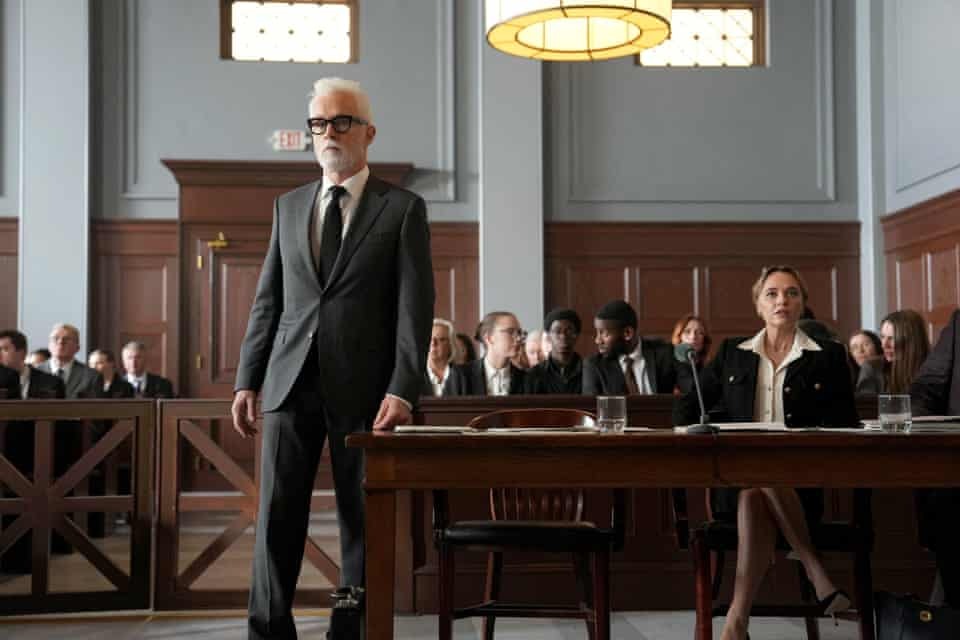
At the end of the trial, Rudy Baylor, the young lawyer handling the case for the deceased mother, along with his assistant team and others, manages to discover regulations concerning claim settlement procedures that top executives had concealed and presents them to the court. Combined with evidence showing that 9,000 out of 12,000 policyholders had their claims fraudulently denied, the court ultimately ruled that Great Benefit must pay 150,000 US dollars in damages to the policyholder’s mother, plus an additional 50,000 US dollars in compensation. When combined with the payouts owed to other wrongfully denied policyholders, the company was driven into bankruptcy. The top executives faced criminal prosecution and were arrested while walking up the stairs of an airplane to vacation in Florida.
This film reflects corruption within large corporate organizations backed by state agencies due to conflicts of interest, as well as corruption in political systems supported by major capital groups in many countries.
This movie marked the breakout role of a youthful Matt Damon, who starred opposite veteran, father-figure actor John Voight.