
What Business Owners Need to Know When Closing a Company in Thailand
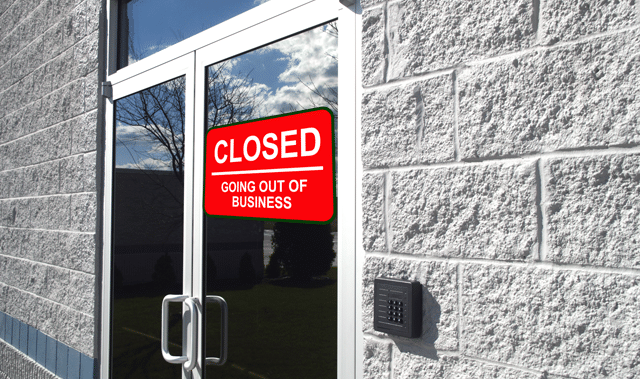
Many business owners think that once they stop doing business, their company is considered as automatically “closed.” Well, this is not the case. A Thai company does not automatically close just because it has stopped operating or is no longer generating income. As long as the company remains registered, its legal, accounting, and tax obligations continue.
As a legal consultant to business owners, one of the first questions I ask business owners is: Are you just suspending operations temporarily, or are you intending to close the company permanently? Because the correct procedure and requirements will be different.
A company may become inactive but still be a registered legal entity. There may be ongoing filing, accounting, tax, and corporate obligations during this time.
That is why leaving a company inactive without following the proper process can cause problems later on. Outstanding filings, taxes, accounting requirements, or other liabilities may need to be addressed before the company can be formally closed.
What Happens When You Decide to Close Permanently?
If you decide to permanently close your Thai company, you will need to follow a formal process of dissolution and liquidation.
The shareholders first must formally agree to the decision to dissolve the company. Then, a liquidator is appointed to take care of the company’s remaining affairs. The liquidator is responsible for collecting credits, paying debts, dealing with company assets, managing employee matters, and completing tax obligations.
It is important to understand that closing a company is more than cancelling its registration. There are still legal and tax matters that need to be properly completed before the company can be fully closed.
Once the dissolution is registered, the company must also complete the required tax filings and notify the Revenue Department. The dissolution date is generally treated as the end of the company’s accounting period for tax purposes.
Closing a company in Thailand is a process. If you do each stage properly you can avoid tax, accounting, or legal problems later on.
Don’t Forget VAT and Tax Registration
If your company is registered for VAT, there are additional steps to take when closing the business. It is necessary to properly cancel the company’s VAT registration with the Revenue Department. Cancellation of the company’s VAT registration with the Revenue Department must be done properly. The company may also still have tax and filing obligations until the required cancelation and closing procedures are completed. In my experience, this is something business owners fail to consider. Part of the closure process is dealing with the tax and VAT requirements which can help avoid any unnecessary issues in the future.
When Is the Company Really Closed?
The company is considered to be closed only when the process of liquidation is properly completed and the required registration procedures are finalized.
A Consultant’s Advice
Before you decide to close down your company, you should review your company’s assets, debts, contracts, employees, tax status, accounting records, licenses, bank accounts, and any ongoing legal obligations. It is also important for foreign business owners to consider whether the company is connected to visas, work permits, leases, property, business licenses, or other arrangements that may have to be dealt with separately. The important thing to note is that stopping business is not the same thing as closing a company. Proper dissolution and liquidation make sure that the company’s outstanding obligations are settled, without leaving unresolved problems behind. You should get professional legal and accounting advice before you start the process of dissolving a company.