
It seemed impossible to live this close to Vietnam and not visit. So with Da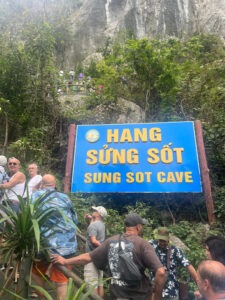 Nang just 1 hour and 40 minutes from Bangkok’s Don Mueang International Airport it was time to explore and report back. If you missed our earlier articles about Da Nang and Hanoi you can still read them at pattayatrader.com
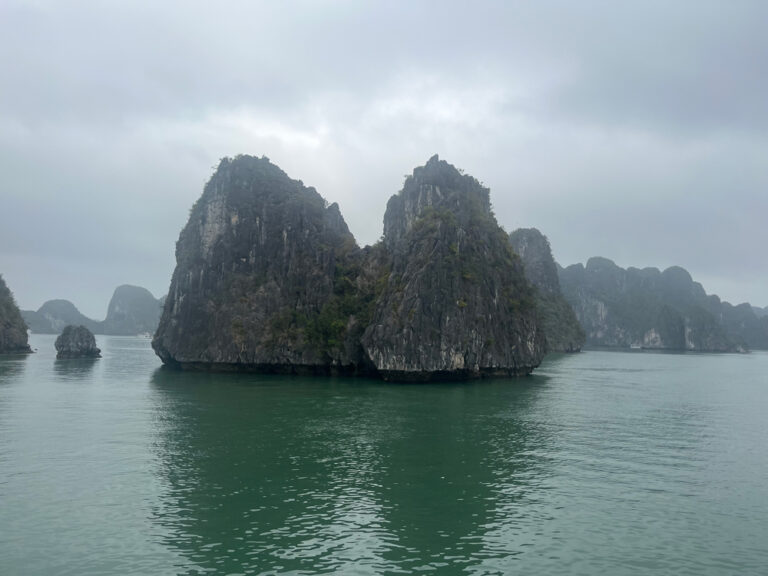
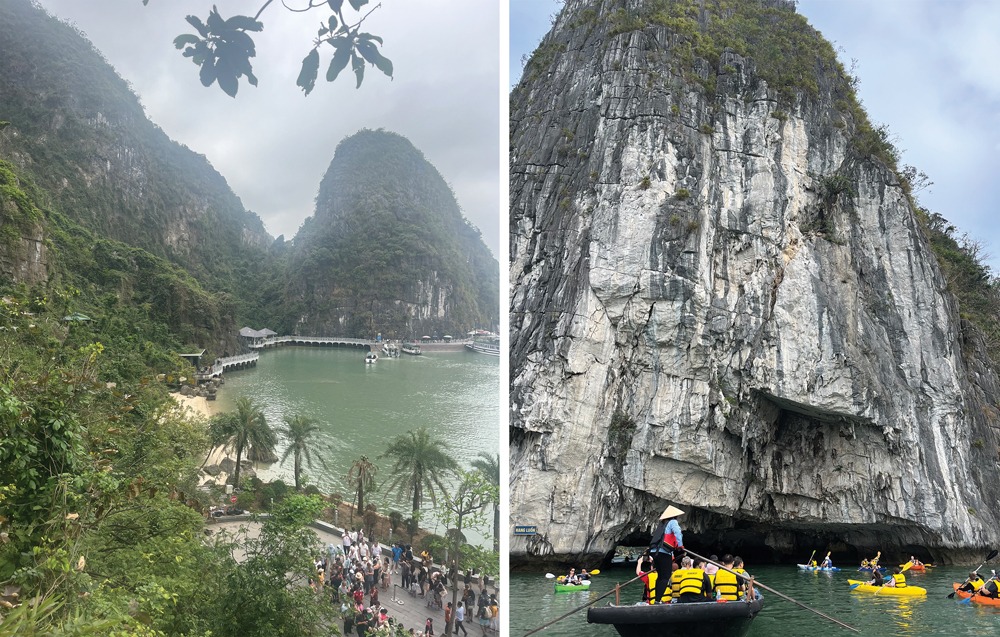
This month is about Ha Long Bay and if you are going to Vietnam you should really make every effort to visit this amazing place as it is one of Southeast Asia’s most breathtaking natural wonders. Located in the north of the country it covers an area of more than 1,500 square kilometers with thousands of towering limestone islands stretching across the emerald waters of the Gulf of Tonkin. When we visited the weather was misty and overcast which only went to emphasise the magical aura this whole mystical area seemed to have.
The name “Ha Long” translates to “Descending Dragon,” and is rooted in a popular Vietnamese legend. According to folklore, dragons were sent by the gods to protect the Vietnamese people from invaders and as they descended into the bay, they spat out jewels and jade, which turned into the limestone karsts and islands that now dot the landscape. These formations created a natural barrier against enemies and today when you sail amongst them you can almost imagine a dragon or some mythical creature could suddenly appear within this stunning and most dramatic seascape.
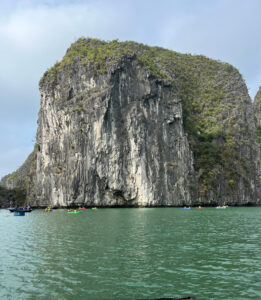 The limestone karst and islands, some rising hundreds of meters above sea level, are the result of millions of years of tropical weathering and erosion. Some have been shaped into unique forms that resemble animals, many contain hidden caves and grottoes, such as Sung Sot Cave, one of the largest and most impressive. Yes you will have to queue to gain access and yes there will be many steps to ascend and descend but the caverns at Sung Sot with many chambers of striking stalactites and stalagmites are well worth the effort.
In recognition of its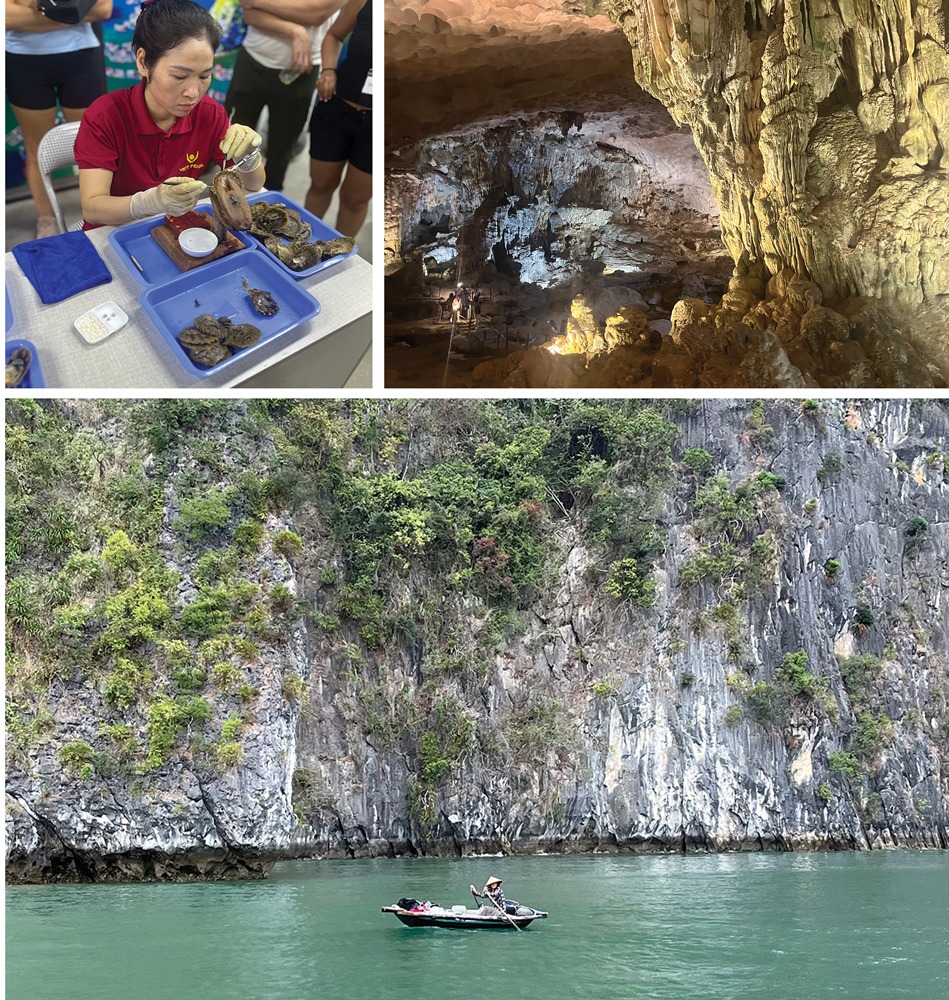 exceptional natural value, Ha Long Bay was designated a UNESCO World Heritage Site in 1994, with its status extended in 2000 for geological significance. This recognition has helped protect the area while also boosting its popularity among international travellers. Today, there is little fishing or industry in the area apart from the cultivation of pearls. The calm, mineral-rich waters of the bay create ideal conditions for oyster farming which allows local artisans to produce high-quality pearls. Visitors can see the delicate process of nurturing oysters and extracting pearls by hand. These pearls come in various shades, from classic white to soft pink and even rare black tones. Beyond their beauty, they represent an important local industry other than the obvious one of tourism.
Millions of visitors arrive each year to experience the serene beauty of Ha Long Bay, often taking overnight cruises that weave between the karst formations. Kayaking is another popular way to explore the quieter corners of the bay, allowing visitors to glide through hidden lagoons and beneath limestone arches. Boat tours are also popular to get closer access to the dramatic natural limestone edifices with curious monkeys coming down to the water to view the curious tourists.
 However, despite its beauty, Ha Long Bay faces environmental challenges due to the increasing tourism and pollution this brings. Efforts have been made by the Vietnamese government and international organizations to manage waste, regulate boat traffic, and preserve the bay’s delicate ecosystem. Sustainable tourism practices are increasingly encouraged to ensure that future generations can continue to enjoy this remarkable landscape. For ultimately, Ha Long Bay is more than just a scenic destination, it is a place where natural history, cultural heritage, and myth intertwine. Sailing between its towering limestone islands, with misty horizons, and quiet waters creates an almost otherworldly experience. It was certainly unforgettable and one of the highlights of my trip to Vietnam.